

Having endured a life of discrimination, PATSY TAKEMOTO MINK understood the plight of the marginalized. Her personal experiences inspired her to fight for civil rights, gender equality, and educational reform.
Born in the Hawaiian territory in 1927, Patsy was the child of third generation Japanese Americans. However, that didn’t stop the family from persecution when the Japanese bombed Pearl Harbor. Watching her father burn mementoes from Japan and get arrested for questioning (as was common for anyone with Japanese ancestry), she realized that citizenship can never be taken for granted and one way to ensure citizenship is through education.
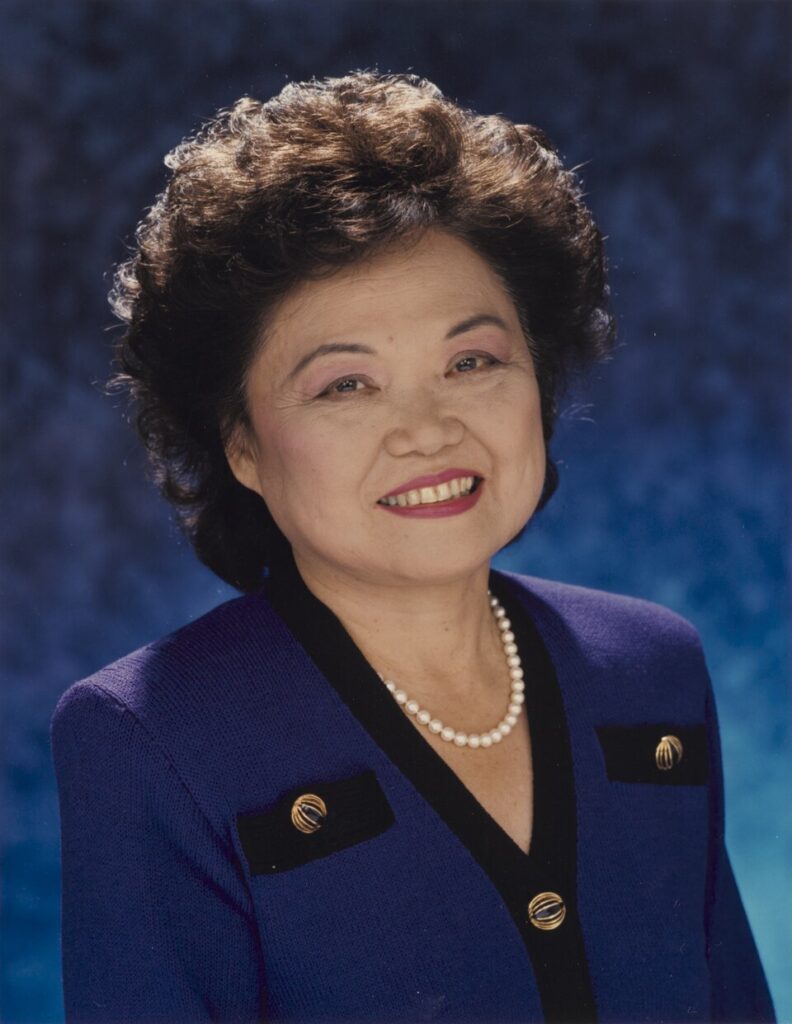
In high school, Patsy was the first female student body president and graduated valedictorian; however, it wasn’t enough to ensure her dream of becoming a doctor. Her studies at the University of Nebraska were fraught with segregation, but when she became ill and had to return home, the situation didn’t improve. She graduated from the University of Hawaii, receiving bachelor degrees in zoology and chemistry, but no medical school would admit her. She pivoted and attended law school. While at the University of Chicago School of Law she met John Mink. They married and returned to Hawaii to raise their daughter. It was here she encountered a different type of discrimination. Even though she’d passed the bar, she was not offered employment because of her interracial marriage. Her response? She started her own practice, becoming the private attorney of the Hawaii territorial house of representatives. By 1958, she was the first, and only, elected woman to the Hawaiian Territorial Senate.
In 1964, five years after Hawaii attained statehood, Patsy Mink became the first woman of color and the first Asian American woman elected to Congress. Once seated, she began the work she is remembered for today: fighting for the rights of marginalized communities through education. While she authored several key education acts, she is remembered for being the driving force behind Title IX. Most females today take for granted their access to public schools, sports, and higher education; but as recently as 1972, these venues were closed. Thanks to Patsy Mink, educational opportunities for women and people of color changed.
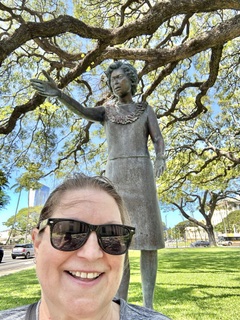
“We have to build things that we want to see accomplished, in life and in our country, based on our own personal experiences to make sure that others do not have to suffer the same discrimination.”
Patsy Mink, Honolulu Star-Bulletin, October 8, 1975
To learn more, visit: