

DEBORAH SAMPSON is best remembered as the woman who disguised herself as a man to join the Continental Army and fight in the American Revolution. But her strength and determination started long before she enlisted.
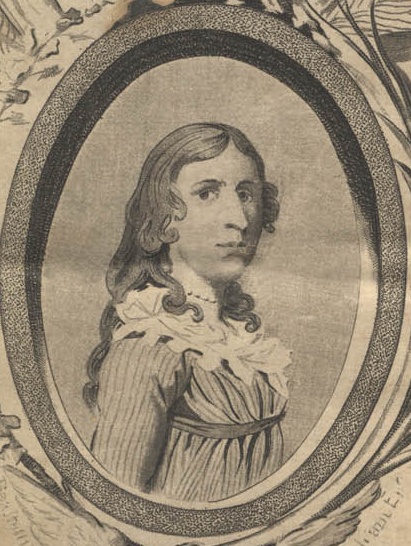
Her chaotic upbringing laid the groundwork for the skills needed in battle. When her father deserted the family, Deborah and her siblings were separated and dispersed to whomever could afford to keep them. As a result, Deborah moved from household to household, never staying with one family for long. As she aged, her position became more precarious, resulting in indentured servitude. However, despite no formal schooling, she learned reading, writing, and arithmetic, as well as weaving and simple carpentry—all skills she eventually used to support herself and transform into a soldier.
Standing at 5’8”—well above the height of most men, she had the physique that made enlisting as a man simple. And she didn’t just become any soldier, she was selected and served with the Light Infantry Company of the 4th Massachusetts Regiment, an elite unit known for its physical strength, speed, and height. She served for 17 months before succumbing to illness and needing hospitalization. It was here her true identity was discovered, and her days of soldiering were over.
Deborah Sampson was honorably discharged following her illness. She went on to become the first female circuit speaker talking about personal wartime experiences as a soldier. After lobbying the Massachusetts State Legislature, she was eventually awarded her military back pay (plus interest) withheld because of her gender. After some wrangling, she received a military pension for the wounds she suffered while serving.
Through hard-work and determination, Deborah Sampson became a soldier. She continued fighting to get the benefits she was entitled to as a soldier. Today, she is the namesake of the Deborah Sampson Act. Passed in 2019 this act expands the services and benefits for female veterans.
To learn more: